

Winter Roof Leaks: Common Causes
Elizabeth Roncevic • October 23, 2026
Winter Roof Leaks: Common Causes & How To Prevent Costly Damage
Here we will discuss winter roof leaks - common causes and how to prevent costly damage. Read our blog post or reach out to Garden State Home Remodeling today. We’d love to offer a free roof inspection and assess your roofing needs.
Winter Weather Is Harsh On Residential Roofs
Winter weather can be particularly harsh on residential roofs throughout New Jersey. Freezing temperatures, heavy snowfall, ice accumulation, and unpredictable winter storms can create conditions that lead to roof leaks and costly property damage. For homeowners in Sparta, Sussex County, and surrounding New Jersey communities, understanding the causes of winter roof leaks is essential for protecting their homes. Learn more about Garden State Home Remodeling and our roofing services here or continue to learn more about causes of winter roof leaks.
Small Roof Leaks Can Turn Into Big Roof Problems
Even a small roof leak can develop into a serious problem when left untreated. Water infiltration can damage insulation, ceilings, walls, and structural components, potentially resulting in expensive repairs.
At Garden State Home Remodeling, located in Sparta, NJ, we understand the importance of maintaining a reliable roofing system throughout the winter months. Below, we explore the most common causes of winter roof leaks, warning signs homeowners should recognize, and preventative steps to minimize damage.
What Causes Roof Leaks During Winter?
Winter roof leaks can develop for several reasons, many of which are associated with freezing temperatures, moisture accumulation, and existing roofing problems.
Understanding these causes can help homeowners address potential weaknesses before they become major roofing emergencies.
1. Ice Dams Forming Along Roof Edges
Ice dams are among the most common causes of winter roof leaks in New Jersey and often cause a need for major roof repairs and renovations.
An ice dam develops when snow on the upper portion of a roof melts and flows toward the colder roof edges. As the water reaches these freezing areas, it refreezes and creates a barrier of ice.
Additional melting snow becomes trapped behind this barrier, allowing water to accumulate and potentially seep beneath roofing shingles.
Ice dams can cause:
- Water leaks inside ceilings and walls
- Damaged roofing shingles and underlayment
- Deterioration of gutters and roof edges
- Wet attic insulation
- Mold and mildew growth
Homes with inadequate attic insulation, air sealing, or ventilation may experience greater ice dam problems because uneven roof temperatures contribute to repeated freezing and thawing.
2. Damaged or Missing Roofing Shingles
Roofing shingles serve as an important protective barrier against snow, rain, and moisture.
However, strong winter winds, aging materials, and temperature fluctuations can weaken shingles or cause them to become loose, cracked, or damaged.
When shingles are missing or compromised, melting snow can reach the protective layers beneath the roofing surface.
This increases the likelihood of moisture entering the roof deck and eventually reaching the interior of the home.
Homeowners should watch for curling shingles, exposed roofing materials, missing sections, or visible signs of deterioration.
Scheduling professional roof repairs before winter storms arrive can help prevent these problems from escalating.
3. Damaged Roof Flashing
Roof flashing is typically made from metal and installed around vulnerable areas of the roofing system, including:
- Chimneys
- Skylights
- Roof vents
- Valleys
- Roof intersections
Flashing directs water away from joints and openings where leaks are more likely to occur.
Over time, flashing can loosen, corrode, or deteriorate. Winter weather may worsen existing weaknesses as snow and ice accumulate around these areas.
When flashing becomes compromised, moisture can penetrate beneath roofing materials and enter the home.
Professional roof inspections can help identify flashing problems before significant water damage occurs.
4. Clogged or Frozen Gutters
Gutters play an important role in directing rainwater and melting snow away from the roof and foundation.
When gutters become clogged with leaves, debris, or ice, water cannot drain efficiently.
During winter, trapped moisture may freeze and contribute to ice buildup along roof edges.
This can increase the likelihood of water backing up beneath shingles, especially when ice dams are present.
Cleaning gutters before winter and maintaining proper drainage can help reduce this risk.
Homeowners should avoid climbing onto icy roofs or attempting dangerous gutter repairs during freezing conditions.
5. Poor Attic Ventilation and Insulation
Attic conditions can significantly influence how a roofing system performs during winter.
When warm indoor air escapes into the attic, it may heat portions of the roof and contribute to uneven snow melting.
The resulting freeze-thaw cycle can encourage ice dam formation.
Warm, moisture-filled air may also condense against cold roofing surfaces, creating dampness that resembles an actual roof leak.
Proper attic insulation, air sealing, and ventilation help regulate temperatures and reduce moisture-related roofing problems.
A qualified roofing professional can evaluate whether improvements are necessary.
Warning Signs of Winter Roof Leaks
Roof leaks are not always immediately obvious. In many cases, water damage begins inside concealed roofing areas before appearing in living spaces.
New Jersey homeowners should watch for several warning signs to decrease the probability of major problems such as needing a roof replacement or new roof installation.
Water Stains on Ceilings or Walls
Brown or yellow discoloration on ceilings and walls may indicate moisture entering through the roof.
Even small stains should be investigated because water can travel along structural materials before becoming visible.
Damp Attic Insulation
Wet or compressed attic insulation may indicate water intrusion or excessive condensation.
Moist insulation can also become less effective, potentially increasing heating costs.
Peeling Paint or Bubbling Drywall
Moisture trapped behind interior surfaces can cause paint to peel, drywall to bubble, and finishes to deteriorate.
Mold or Musty Odors
Persistent moisture may create conditions that encourage mold and mildew growth.
A musty smell in the attic or upper floors could indicate an unresolved moisture problem.
Dripping Water During Snowmelt
Water appearing indoors when snow begins melting may suggest an ice dam, damaged flashing, or another roofing vulnerability.
Regardless of the cause, visible moisture should be addressed promptly.
How to Prevent Winter Roof Leaks in New Jersey
Although winter weather cannot be controlled, homeowners can take several preventative measures to reduce the likelihood of roofing problems.
Schedule a Professional Roof Inspection
A professional roofing inspection can identify damaged shingles, deteriorated flashing, drainage issues, and other concerns.
Scheduling an inspection before winter allows homeowners to address vulnerable areas before snow and ice arrive.
Repair Damaged Roofing Materials
Small roofing problems can become significantly worse during repeated freezing and thawing.
Replacing damaged shingles and repairing compromised flashing can help protect the underlying roofing structure.
Keep Gutters Clear
Removing leaves and debris from gutters allows water to drain more effectively.
Homeowners should also ensure downspouts direct water away from the property.
Improve Attic Insulation and Ventilation
Proper attic conditions can reduce heat loss, moisture accumulation, and the likelihood of ice dam formation.
A roofing professional can recommend appropriate improvements based on the home's construction.
Address Ice Dams Safely
Large ice dams can damage roofs, gutters, and interior surfaces.
Avoid using sharp tools, breaking apart frozen shingles, or walking on snow-covered roofs.
Professional assistance is generally the safest approach when significant ice accumulation develops.
What Should You Do If Your Roof Leaks During Winter?
If you discover a winter roof leak, taking prompt action can help minimize interior damage.
Move furniture and valuables away from the affected area and use containers to collect dripping water when safe.
Document visible damage with photographs and contact a qualified roofing contractor to identify the source.
Avoid climbing onto the roof during snow, ice, or freezing conditions.
If water is entering near electrical fixtures or outlets, keep clear of the affected area and contact an appropriate professional.
Depending on the severity of the damage, repairs may involve replacing shingles, correcting flashing issues, improving drainage, or addressing compromised roofing materials.
For aging roofs with extensive damage, a complete roof replacement may be worth considering.
Protect Your Home With Professional Roof Repair In Sparta, NJ
Winter roof leaks can cause significant damage when roofing problems are ignored. Whether the issue involves damaged shingles, deteriorating flashing, ice dams, or an aging roofing system, early attention can help homeowners avoid more extensive repairs.
Garden State Home Remodeling provides roofing and home remodeling services for homeowners in Sparta, Sussex County, and surrounding New Jersey communities.
If you've noticed signs of winter roof damage or are concerned about the condition of your roof, contact Garden State Home Remodeling to discuss your roofing needs and request an estimate.
Garden State Home Remodeling
49 Cherokee Ct, Sparta, NJ 07871
Protect your home this winter with dependable roofing solutions designed to withstand New Jersey's changing weather conditions.
Search
Recent Post
By Elizabeth Roncevic
•
October 26, 2026
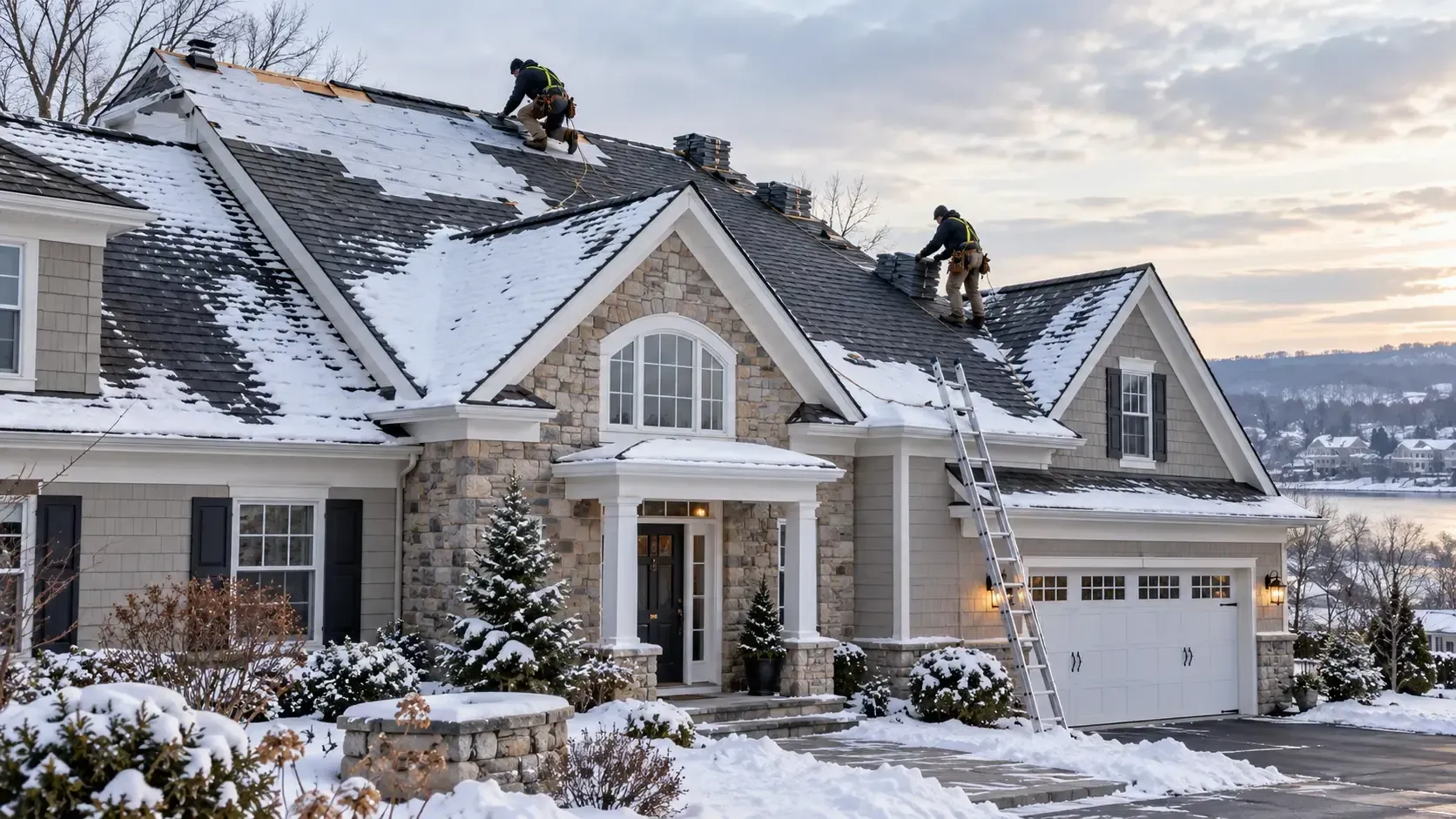
Is it cheaper to replace your roof in winter? Explore potential savings, installation costs, and key considerations for New Jersey homeowners.

By Elizabeth Roncevic
•
October 19, 2026
Discover the best house siding colors for 2027, from sage green to warm neutrals. Explore top exterior trends for New Jersey homes and get inspired.
September 25, 2026
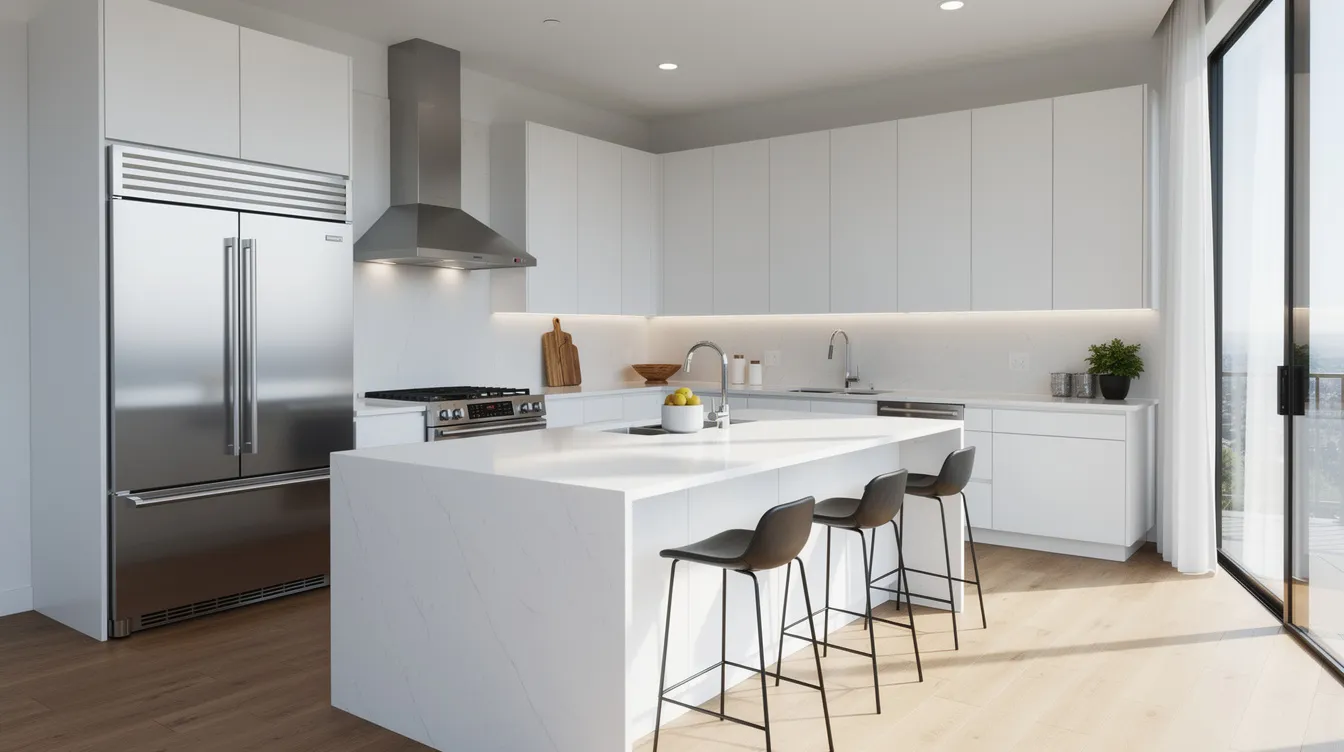
Discover the realistic costs of a kitchen remodel, from budgeting to unexpected expenses. Prepare yourself and read the full article for valuable insights.