

Energy Efficient Windows for New Jersey Homes: A Homeowner's Guide
September 9, 2026
Upgrading your home's windows is one of the most impactful improvements you can make for comfort, curb appeal, and long-term savings. For homeowners in Sparta, Sussex County, and across New Jersey, energy efficient windows address the unique challenges of our mixed-humid climate, where bitter winters and sticky summers can push energy costs through the roof. This guide covers everything you need to know about choosing, rating, and installing the best energy efficient windows for your New Jersey home.
Key Takeaways
- Heat gain and loss through windows account for 25–30% of residential energy use, making window replacement one of the fastest paths to lower energy bills.
- Energy Star certified windows can reduce energy bills by 13% on average compared with older, inefficient units, and total heating and cooling savings often reach 10–30% depending on existing window condition.
- U-factor and solar heat gain coefficient (SHGC) are the two most critical energy ratings to check; ideal values depend on New Jersey's climate zone and your window's orientation.
- Garden State Home Remodeling in Sparta, NJ provides full-service window replacement with Energy Star certified windows, up to 100% financing, and free in-home estimates.
- Even homeowners with existing windows that aren't ready for full replacement can boost energy efficiency through targeted air sealing and supplemental upgrades.
Why Energy Efficient Windows Matter in New Jersey
Roughly 25–30% of a typical New Jersey home's heating and cooling energy escapes through its windows, especially older aluminum-frame or single pane windows installed before the early 1990s. In our climate zone, cold winters drive significant heat loss while humid summers and strong sun on south and west facades create unwanted heat gain. That dual challenge means your home's windows have a direct impact on both your furnace and air conditioner workloads.
Energy efficient windows help stabilize indoor temperatures in Sparta, Lake Mohawk, Andover, and surrounding Sussex County communities by:
- Reducing drafts and cold spots near walls and window seats
- Limiting solar radiation entering through sun-exposed glass
- Lowering strain on HVAC equipment, which extends system lifespan
- Improving home comfort year-round while reducing energy consumption
Upgrading to energy efficient windows can also increase home value. Garden State Home Remodeling often sees measurable comfort improvements in older Colonials, Capes, and ranch homes after a full window upgrade, with many homeowners reporting fewer drafts within the first week.
What Makes a Window Energy Efficient?
An energy efficient window minimizes heat loss in winter and unwanted heat gain in summer while still allowing visible light and natural light to fill your rooms. No single feature creates an efficient window on its own. It's the combination of glass, frame material, and construction quality working together.
Five key energy efficient features define modern window performance:
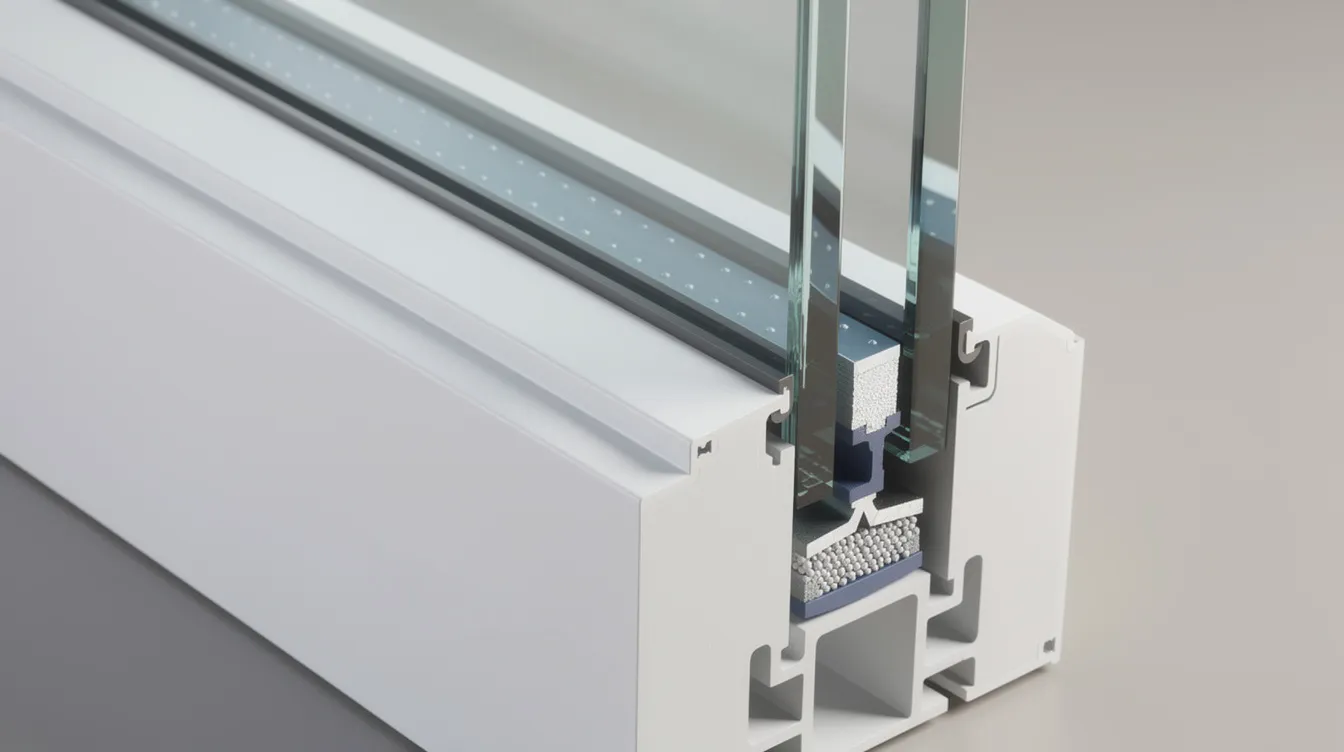
- Multiple panes: Double and triple-pane glass create insulating air barriers that dramatically reduce heat transfer. Multiple glass panes also help reduce outside noise, an added bonus for homes near busy roads.
- Gas fills: Inert gas fills such as argon or krypton reduce heat flow compared to regular air. Argon provides roughly 15–20% better insulating performance than standard air and remains effective for decades.
- Low-E coatings: Low-E glass reflects infrared light while allowing visible light to pass through. Advanced glass technology like this improves insulation and reduces heat transfer. A quality low-E glass coating can add insulation equivalent to an extra pane of glass.
- Insulated frame materials: Vinyl, fiberglass, or composite frames prevent thermal bridging, where heat conducts straight through the frame.
- Warm-edge spacers: These separate glass panes without the thermal conductivity of old aluminum spacers, reducing condensation and edge heat loss.
Energy efficient windows can also block harmful ultraviolet rays, protecting furniture, flooring, and artwork from fading. Energy Star certified windows must meet tested performance criteria specific to the Northeast and North-Central climate zones that apply to New Jersey.
Understanding Window Energy Ratings: U-Factor, SHGC, VT & More
Every new window carries a label from the National Fenestration Rating Council (NFRC) with standardized energy ratings that tell you exactly how that window will perform. Learning to read these numbers puts you in control when comparing products.
- U-factor measures how well a window insulates against heat loss. A U-factor of 0.30 or below is considered very good. For New Jersey homes, Rutgers' Green Manual recommends targeting approximately 0.25 or lower on cold-exposed sides. A low U factor is especially valuable on north facing windows in Sparta, where winter winds hit hardest.
- Solar heat gain coefficient (SHGC) indicates how much solar heat enters the home through the glass. The heat gain coefficient SHGC scale runs from 0 to 1; lower values mean less solar heat gain admitted. For NJ's climate zone, aim for 0.40 or less, and even lower on west-facing elevations that catch afternoon direct sunlight.
- Visible transmittance (VT) measures how much daylight passes through a window. Higher VT means more natural light but can involve a trade-off with solar heat gain. Look for windows that balance both.
- Air leakage measures how much air moves through a window's joints and seals. Low air leakage ratings should be below 0.30 cubic feet per minute per square foot. In windy ridge-top areas around Sparta Township, this number matters a great deal.
ENERGY STAR certification ensures compliance with energy efficiency guidelines for each climate zone. Garden State Home Remodeling helps customers interpret these energy ratings during consultations, so you know exactly what window energy performance you're getting.
Types of Energy Efficient Windows and Glass Packages
The term "energy efficient window" covers a family of products with different pane counts, coatings, gas fills, and frame styles. Understanding your options helps you choose the right window type for each room and exposure.
Double-pane vs. triple-pane: Double pane windows reduce heat transfer significantly and are the standard choice for many NJ homes. Paired with argon gas and low-E glass, they deliver strong energy performance at a reasonable price. Triple pane windows provide better insulation than double-pane and are worth considering for very cold north-facing walls, noisy locations, or when maximizing energy efficiency is the top priority. Triple-pane windows provide even greater insulation than double-pane, but they're heavier and more expensive, so they're not always necessary on every wall.
Low-E glass: Low-E glass coatings reduce solar heat gain while allowing visible light into your rooms. On south- and west-facing windows in Sparta and throughout Sussex and Morris Counties, spectrally selective low-E coatings are especially effective because they block near-infrared heat without dimming your view. Low-E windows on these exposures can meaningfully cut your cooling costs.
Warm-edge spacers and gas fills: Warm-edge spacers and argon or krypton gas fills further improve the r value of the glazing unit and reduce condensation on inside glass surfaces. These are unseen features that make a real difference in how windows perform day to day.
Garden State Home Remodeling works with reputable manufacturers that offer multiple glass packages tailored to New Jersey's climate zone, so every window in your home can be optimized for its specific orientation.
Frame Materials: Choosing the Right Window Frame for Energy Efficiency
Frame materials significantly affect overall energy efficiency, durability, and maintenance requirements. Here's how the most common options compare:
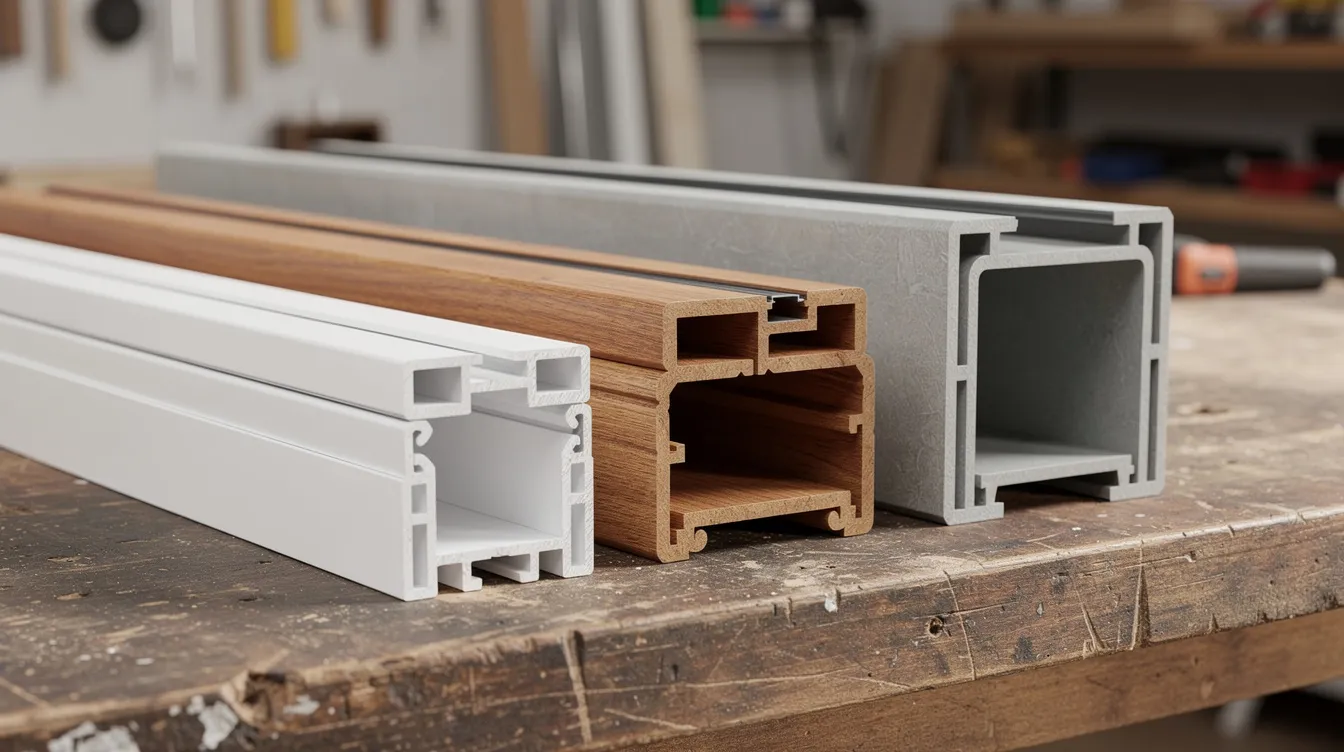
| Frame Material | Insulation | Maintenance | Durability in NJ Climate | Relative Cost |
|---|---|---|---|---|
| Vinyl | Excellent | Very low | Good | $ |
| Fiberglass/Composite | Excellent | Low | Excellent | $$ |
| Wood | Very good | High (painting/staining) | Good if maintained | $$–$$$ |
| Aluminum (no thermal break) | Poor | Low | Moderate | $ |
Vinyl windows offer excellent insulation and low maintenance, making them the most popular choice for replacement windows in New Jersey. Fiberglass and composite frames are higher-end and highly stable across the freeze-thaw cycles common in our area. Wood frames provide great natural insulation and a classic aesthetic but need regular sealing to prevent rot and air leaks. Older aluminum frames conduct heat and cold readily and are usually a poor choice for energy efficiency in cold climates.
Garden State Home Remodeling typically recommends insulated vinyl or composite frame material for Sparta-area window replacement projects, depending on budget and design goals.
New vs. Existing Windows: Replace or Improve?
Not every homeowner is ready to replace windows all at once. If your budget or timeline is limited, there are ways to improve your existing windows temporarily.
When full replacement makes sense:
- Rotten or warped frames that allow air leaks and moisture intrusion
- Condensation between panes (indicating seal failure)
- Single pane windows with no low-E coating or gas fill
- Windows that won't open, close, or lock properly
Quick improvements for existing windows:
- Caulking gaps and adding weatherstripping to reduce air leakage
- Installing interior storm panels or cellular shades for an additional layer of insulation
- Using exterior shading such as awnings or overhangs on sun-exposed windows to reduce heat gain
Tightly sealed frames improve indoor comfort by eliminating drafts. Better insulation in windows also prevents condensation and mold, protecting both your family's health and your home's structure. That said, DIY fixes rarely match the energy performance of a full efficient window upgrade, especially in older Sparta-area homes built before about 1980.
Garden State Home Remodeling can inspect your home's windows and give honest recommendations on whether repair, targeted upgrades, or full replacement is most cost-effective.
Selecting the Right Energy Efficient Windows for Your New Jersey Climate Zone
New Jersey sits in a mixed-humid climate zone where both heating and cooling are significant, so your window choices must balance multiple needs. The right approach varies by orientation:
- North-facing windows in Sparta and Newton benefit from the lowest possible U-factor to minimize heat loss against winter winds. SHGC is less critical here since these windows get minimal direct sunlight.
- East-facing windows receive morning sun, which is generally less intense. A moderate SHGC and good U-factor usually work well.
- South- and west-facing windows experience the biggest summer heat gain. Low-E coatings and lower SHGC values are especially important to save energy on cooling without sacrificing visible light.
Energy Star climate-zone guidance and NFRC ratings help Garden State Home Remodeling recommend the best glass and frame combinations for each side of your home. During an on-site visit, the team also considers shade trees, overhangs, and room use when specifying window energy efficient packages, so your local climate conditions are accounted for down to the individual window.
Professional Installation: The Key to Real-World Energy Efficiency
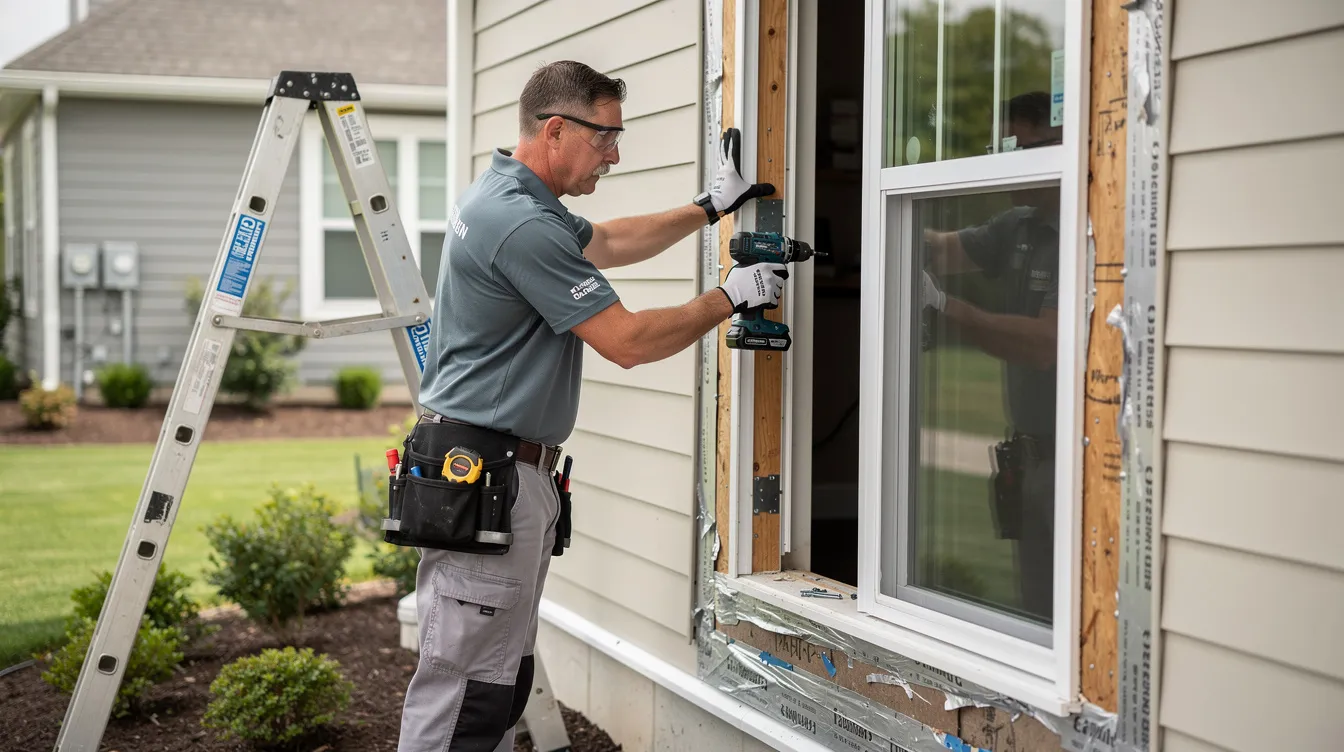
Even the most advanced energy efficient window will underperform if it isn't properly installed. Proper installation prevents air leaks and improves performance, while poor installation can waste much of your investment.
Professional installation ensures windows perform as designed through:
- Precise measurement and removal of old units
- Proper preparation of openings to prevent moisture intrusion
- Insulating around the frame, flashing, and careful sealing
- Proper installation that prevents air leaks and drafts from day one
Professional installation costs an additional $100 to $300 per window beyond the cost of the window itself, but this investment protects your energy savings and your home's structure. Professionally installed replacement windows reduce drafts, condensation, and callbacks over the long term.
Garden State Home Remodeling is a licensed New Jersey contractor (#13VH08637600), fully insured, and experienced in working on older NJ housing stock with varying wall conditions. The company offers warranties on both products (through manufacturers) and workmanship, giving homeowners long-term peace of mind. You can learn more about their full range of exterior services including decks, porches, and siding.
Costs, Savings, and Financing for Energy Efficient Windows in NJ
Energy efficient windows involve an upfront investment, but many homeowners save money over time through lower energy bills and reduced maintenance.
What to expect on costs:
- Energy efficient windows cost between $150 and $2,000+ each depending on size, frame material, and glass package
- Most homeowners pay around $400 per energy efficient window for standard sizes
- In New Jersey, typical installed costs for vinyl double hung windows with energy efficient glass range from $650 to $1,250 per window
- Full-house projects (15–20 new windows) generally run $8,000–$20,000
What you can save:
- Replacing single pane windows lowers energy bills by 13% on average
- Replacing single-pane windows can save $401 annually in Pennsylvania, a neighboring state with similar climate conditions
- Replacing double-pane windows can save $166 annually in Pennsylvania
- Installing energy efficient windows lowers utility bills for the life of the product, which can extend 20+ years
Payback example: A 3-bedroom Colonial in Sparta with 15 old windows upgraded to Energy Star certified units might invest $9,000–$12,000 and save $700–$1,000 per year in combined household energy bills, yielding a payback period of roughly 10–15 years.
Garden State Home Remodeling offers up to 100% financing for qualified customers, helping spread the cost of whole-house window replacement over time. A free, no-obligation estimate provides homeowners with a detailed quote and projected energy efficiency improvements. Many homeowners also find that there may be a tax credit or local utility rebate available for energy efficient upgrades, so it's worth checking current NJ incentive programs.
Ready to Save Energy and Upgrade Your Home? Call Garden State Home Remodeling
Garden State Home Remodeling is a family-owned, Sparta-based contractor specializing in replacement windows and full home remodeling across Sussex County and the greater New Jersey area, offering comprehensive residential remodeling services in New Jersey. The company installs Energy Star certified, energy efficient windows in materials and styles that fit New Jersey home architecture, from Colonials and split-levels to lakeside homes near Lake Mohawk.
Garden State can coordinate window upgrades with other exterior projects such as roofing replacement, vinyl siding and insulation, and masonry facades to maximize your home's energy efficiency and lower your carbon footprint, drawing on expert roofing and exterior remodeling guidance. The team handles everything from initial consultation and product selection to professional installation and cleanup, simplifying the process for busy homeowners.
Whether you want to replace windows on one side of your house or tackle a whole-home upgrade, or are considering expertly designed home additions in New Jersey, Garden State has the experience, licensing, and financing options to make it happen. Contact Garden State Home Remodeling today to schedule a free estimate for energy efficient window replacement in Sparta, Newton, Hopatcong, and surrounding communities. Reduce your energy costs, improve comfort, and lower your environmental impact starting with your next project.
Frequently Asked Questions About Energy Efficient Windows in New Jersey
How much can energy efficient windows actually reduce my energy bills?
Savings vary by home, but ENERGY STAR windows reduce energy bills by 13% on average. Upgrading from old single-pane or leaky dual pane windows to Energy Star certified windows can cut heating and cooling costs by 10–30% in many New Jersey homes. Homes with large areas of glass or strong wind exposure around Sparta and northern NJ tend to see the biggest improvements. Garden State Home Remodeling can review your past utility bills and home conditions to provide a more personalized savings estimate during a free on-site visit.
Do I need triple-pane windows for my Sparta, NJ home?
Triple-pane glass is not mandatory for every home. In New Jersey's climate, high-quality double-pane low-E windows with argon gas deliver strong insulating properties and are sufficient for many situations. Triple-pane is recommended primarily for particularly noisy locations, very cold north-facing walls, or when you want the absolute best window energy performance and noise reduction available. Garden State Home Remodeling discusses both options and explains cost and performance differences so you can make an informed choice.
Will new energy efficient windows change the look of my home?
Modern efficient windows come in many styles, including double hung windows, casement, slider, picture, bay, and bow, so they can match or enhance your home's existing character. Frame colors, grid patterns, and trim details can be tailored to suit traditional or contemporary New Jersey homes. Garden State Home Remodeling helps homeowners choose designs that maintain curb appeal while delivering a measurable improvement in energy use.
How long does a typical window replacement project take?
Most standard whole-house window replacement projects (15–25 windows) in the Sparta area can be completed in one to three days once custom windows arrive. Factors like window count, custom shapes, or structural repairs may extend the timeline slightly. Garden State Home Remodeling provides a clear installation timeline up front and works to minimize disruption inside the home.
Can I replace my windows in winter or only in warmer months?
Professional crews can safely replace windows year-round in New Jersey, including winter, using methods that minimize heat loss while openings are exposed. Some homeowners prefer off-peak seasons like late fall or winter when scheduling is more flexible. Garden State Home Remodeling works one window or one room at a time in cold weather to keep your home as comfortable as possible during installation.
Search
Recent Post
August 24, 2026
Discover the top synthetic lumber options for your deck—durable, eco-friendly, and built to last. Read on to find the perfect choice for your outdoor space.
August 22, 2026
Revitalize your outdoor area with top paver and stone options. Discover practical choices for style and durability. Read the article for expert insights!
August 14, 2026
Transform your kitchen with practical and stylish improvements. Discover ideas that enhance functionality and elevate your space. Read more for inspiration!